Replacing damaged garage door panels is a practical way to restore your garage door’s appearance and functionality without the expense of a full door replacement. Whether your garage door is automatic or manual, and made from materials such as steel, wood, aluminium, or fiberglass, understanding the detailed procedure for panel replacement is essential. This guide provides step-by-step instructions, safety advice, tool recommendations, and maintenance tips to help Australian homeowners confidently undertake garage door panel replacement.
What tools and materials are needed for garage door panel replacement?
To ensure a successful garage door panel replacement, having the correct tools and materials on hand is vital. Using proper equipment not only simplifies the process but also enhances safety and precision.
- Tool Kit: Screwdrivers (Phillips and flat head), adjustable wrenches, socket set, drill machine with drill bits. Step Ladder: To access upper door panels safely and comfortably. Protective Gear: Safety glasses to shield eyes from debris, and protective gloves to prevent injuries while handling metal edges. Replacement Parts: Correctly sized garage door panels matching your door’s material—options include steel panels, aluminium panels, wood panels, and fiberglass panels. Measurement Tools: A reliable tape measure or laser measurer to get accurate panel measurements before ordering replacement parts. Additional Materials: Weather seals to maintain door weatherproofing, door paint or rust removal products to treat replaced panels for durability and aesthetics.
Accurate panel measurement is especially crucial to ensure the new panels fit perfectly into your existing garage door frame and align seamlessly with adjacent door sections. Selecting panels that match the door’s existing materials and style maintains door aesthetics and functionality.
How do you safely prepare for garage door panel replacement?
Garage doors are equipped with high-tension door springs and heavy panels, which require careful handling to avoid injury. Proper safety preparation is non-negotiable before beginning any panel replacement work.
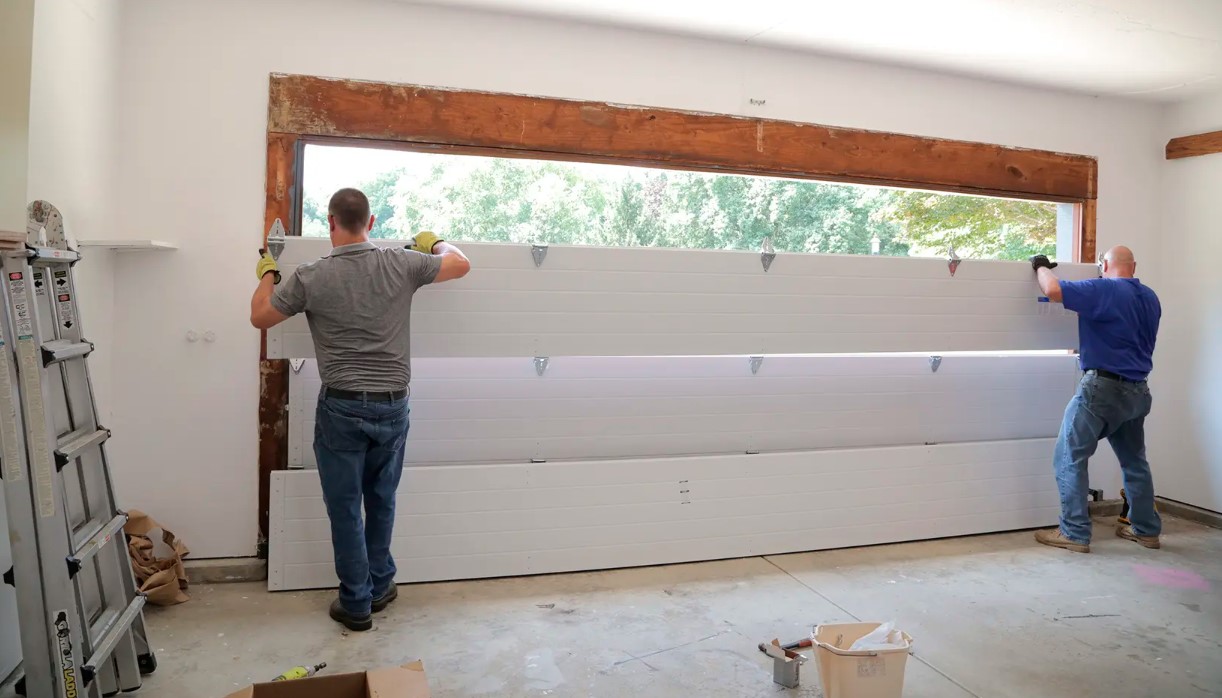
- Disconnect Power: Unplug or switch off the garage door opener to prevent the door from activating unexpectedly during panel replacement. Activate Emergency Release: Engage the emergency release mechanism on automatic garage doors to disengage the door from the motorized garage door opener. Release Spring Tension Safely: Carefully relieve tension on torsion springs or extension springs according to manufacturer instructions, using appropriate tools designed for this purpose. Support Door Stability: Use safety cables and secure supports to stabilise the garage door and prevent sudden drops while panels are removed. Wear Protective Equipment: Always wear safety glasses and protective gloves to reduce risk from metal edges, dust, and falling hardware. Inspect for Door Balance: Test door balance manually by lifting the door halfway and checking if it holds position steadily, indicating correctly tensioned springs and cables.
Handling door springs or cables incorrectly can lead to serious injuries, so if at any point you feel unsure, it is highly recommended to seek assistance from professional garage door technicians.
What are the step-by-step instructions for removing damaged garage door panels?
Removing the faulty garage door panels requires caution and systematic dismantling of adjacent components like hinges and rollers.
- Disengage Locking Mechanism: If your garage door has locks or bolts securing panels, unlock these first to allow free movement. Remove Door Rollers from Tracks: Using a step ladder, carefully lift the door panel slightly and slide the door rollers out of the garage door tracks, ensuring the tracks are unobstructed. Unscrew Hinges Connecting Panels: Use appropriate screwdrivers or wrenches to detach hinges between the damaged panel and neighboring sections. Handle Cable Drums and Cables Carefully: Ensure cables attached to the door and routed through cable drums remain intact and untangled. Avoid putting strain or damage on them during panel removal. Remove Damaged Panel Completely: Gently pull the detached panel free from the door frame and adjacent sections. Set aside all screws, bolts, and brackets in a labelled container for reuse or replacement.
Taking care during panel removal prevents damage to the garage door tracks, remaining door sections, and cable systems, making the replacement process smoother.
garage door repairs in Gold CoastHow do you install new garage door panels correctly?
Installing replacement garage door panels with precision is key to restoring full door functionality and maintaining smooth operation.
- Verify Panel Size and Material: Confirm the new panel matches the removed part exactly in both size and material composition. Align Panels Seamlessly: Position the new panel in place by aligning it precisely with the adjoining door sections and the garage door frame. Reattach Door Hinges and Rollers: Secure hinges firmly to connect the new panel with adjacent sections, then reinstall door rollers into tracks, confirming smooth travel along the rails. Add Insulation Panels: If your door includes insulation, fit insulation panels inside the new panel before final attachment for improved energy efficiency. Apply Surface Treatments: Treat the panel surface with rust remover if needed, followed by door paint to protect against weather and maintain door aesthetics. Install Weather Seals: Replace or install new weatherproof seals along panel edges to prevent drafts, moisture intrusion, and improve thermal performance.
Proper panel installation restores door stability and functionality, enabling even weight distribution for trouble-free opening and closing.
What post-installation checks and maintenance should be performed after garage door panel replacement?
After replacing panels, thorough inspection and maintenance ensure continued optimal garage door performance and longevity.
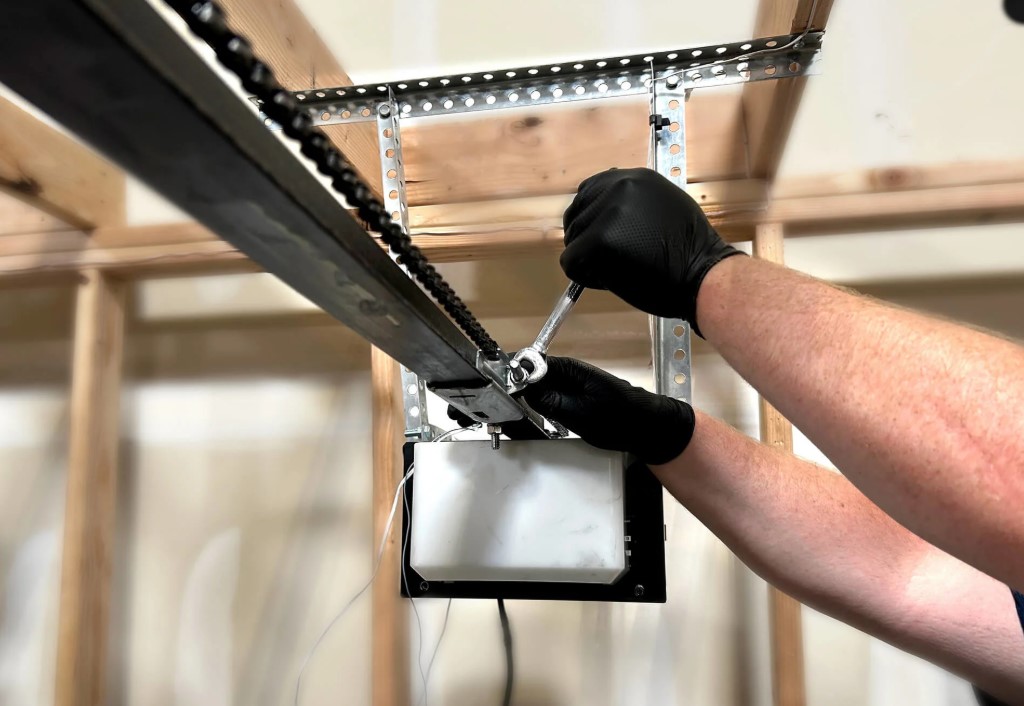
- Test Door Balance and Manual Operation: Open and close the door manually to confirm it moves smoothly without binding or unevenness. Reconnect Garage Door Opener: Re-engage the automatic garage door opener, then test remote control and keypad entry for responsiveness. Check Safety Sensors: Verify the alignment and operation of safety sensors that prevent door closure on obstacles. Adjust Hardware: Tighten adjustment screws, hinges, and springs as needed to fine-tune door movement and stability. Inspect Weather Seals and Insulation: Confirm seals are intact and effective; replace if damaged. Schedule Regular Maintenance: Perform periodic cleaning, lubrication of rollers and hinges, spring inspections, and sensor checks.
Ongoing maintenance helps avoid costly repairs and prolongs the functional life of your garage door system after panel replacement.
When should you consider professional garage door panel replacement services?
While many homeowners handle panel replacement themselves, certain scenarios require the expertise of certified professionals.
- Complex Spring Systems: If your door uses torsion springs or complicated extension springs, professional handling is safer due to high tension involved. Extensive Damage: Multiple damaged panels or structural issues with the garage door frame call for expert assessment and repair. Safety Concerns: Lack of confidence or experience with releasing spring tension or managing cables necessitates professional assistance. Warranty and Insurance: Hiring certified technicians often comes with warranties on parts and labour, providing peace of mind. Time Constraints: Professionals can complete replacements more quickly and efficiently, saving homeowner time and effort.
Choosing professional garage door repair services ensures compliance with safety standards and high-quality results, especially in challenging cases.
How to choose the right garage door panels for replacement?
Selecting the appropriate replacement panels influences the durability, energy efficiency, and overall look of your garage door.
- Material Considerations: Steel panels offer strength and security, wood panels provide classic aesthetics, aluminium panels are lightweight and corrosion-resistant, while fiberglass panels offer weather resistance. Panel Size and Fit: Exact door panels size matching existing sections ensures proper panel fitting and easy installation. Insulation Needs: Consider insulated panels to enhance thermal efficiency, especially in variable Australian climates. Door Aesthetics: Match colour, texture, and finish to maintain cohesive visual appeal across your entire garage door. Weatherproofing: Opt for materials resistant to local weather conditions such as rust or moisture for long-term performance.
Informed panel selection enhances your garage door’s functionality and appearance, aligning with local environmental challenges.
Frequently Asked Questions About Garage Door Panel Replacement
Q: Can I replace a single panel on a sectional garage door?
A: Yes, most sectional garage doors allow individual panel replacement, provided you source a replacement panel that exactly matches the size, material, and design of the existing section.
Q: How long does it take to replace garage door panels?
A: Depending on your skill level and door complexity, panel replacement generally takes between 1 to 3 hours, including preparation, removal, installation, and testing.
Q: Are there risks involved in replacing garage door panels myself?
A: Yes, particularly related to handling heavy panels and high-tension door springs. Following safety protocols and using correct tools reduces risks, but if uncertain, professional help is strongly advised.
Q: What if my garage door panel material is obsolete or no longer available?
A: In such cases, custom panels can sometimes be ordered to match your door, or you may need to replace entire door sections or upgrade the whole garage door.
Q: How do I maintain my garage door after panel replacement to ensure durability?
A: Regular cleaning, lubricating moving parts like rollers and hinges, inspecting and adjusting springs, monitoring door sensors, and addressing repairs quickly will extend the lifespan of your garage door panels and system.
Replacing garage door panels requires careful planning, the right tools, attention to safety, and precise execution. Whether you choose to tackle the job yourself or hire professional garage door repair services, understanding the step-by-step procedure will help you restore your garage door’s function and curb appeal effectively. Don’t compromise on safety — when in doubt, consult experts to ensure a durable and secure result that protects your home and family.